
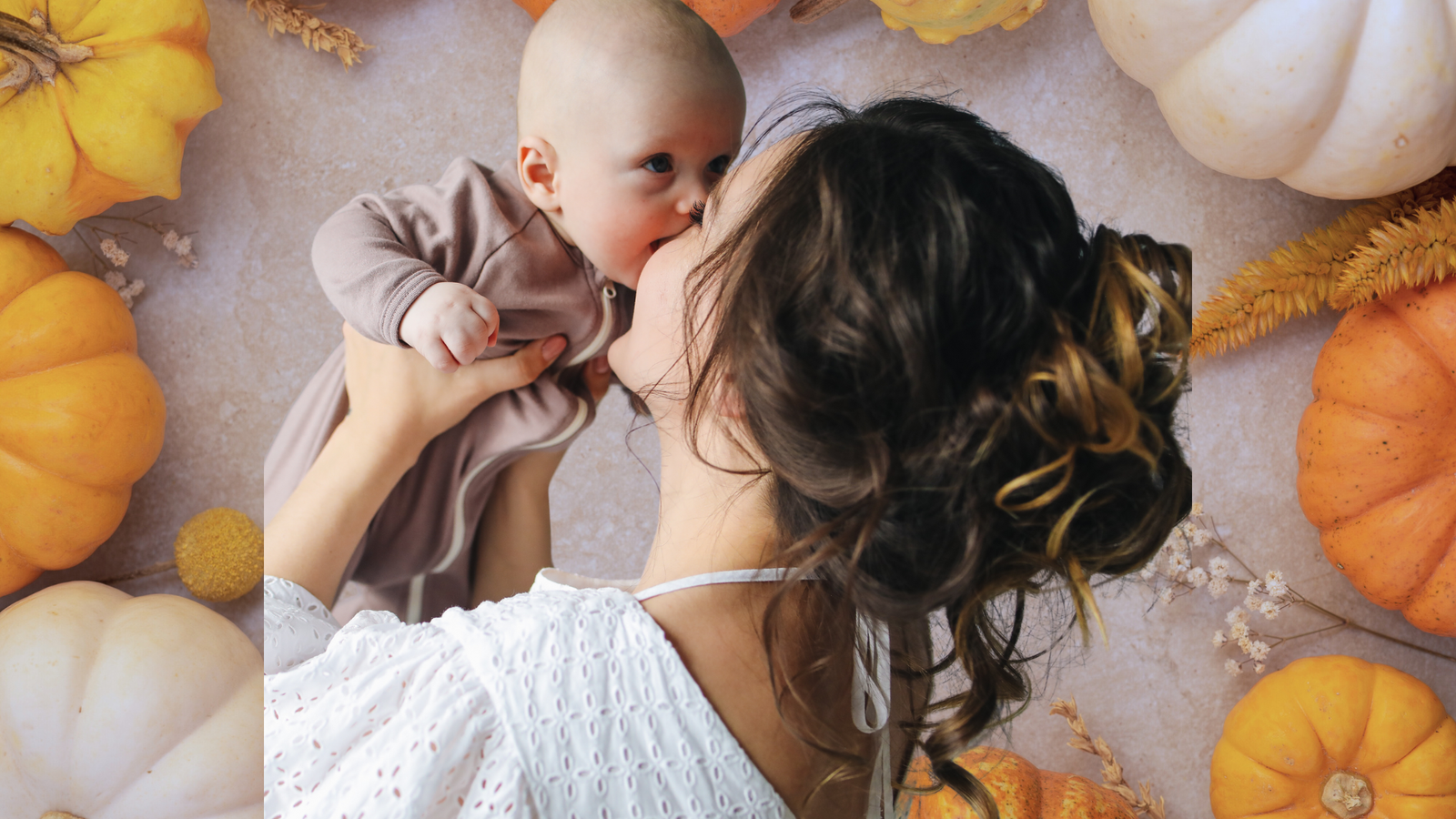
A Universal Tradition
Ireland’s Beloved Lullaby: Too Ra Loo Ral
Across Europe, lullabies were not just songs to help little ones drift off—they were threads of memory, woven gently from one generation to the next. Every region added its own style: the soft, ancient drones of the Balkans, the modal lines of Scandinavia, the storytelling lilt that carried through Western Europe. And when families crossed the ocean to America, they packed these melodies with them, carried with the songs and traditional stories of their homes.
The power of the lullaby is both magical and scientific. Their repetition, simple phrasing, and gentle melodic patterning help infants begin recognizing the rhythms of language. A parent’s singing voice slows a child’s heart rate and lowers stress hormones, activating the parasympathetic nervous system—our natural “rest and restore” mode. A lullaby becomes a child’s signal that the world is softening and it’s safe to rest.
Among the plethora of Irish songs in the world, Too Ra Loo Ral (That’s an Irish Lullaby) holds a special place. Though written in the early 20th century, it feels much older because it reminisces of a warm fireplace lit in grandmother’s cabin combined with the lilting musicality that defines Irish music. Because it’s so simple and easy to remember, the song naturally became a family sing-along at countless gatherings. Even now, you will hear whole crowds at gigs join in without missing a beat, especially at Celtic shows. In American households of Irish heritage, the song became a nostalgic staple—an audible reminder of Ireland’s storytelling tradition.
J. R. Shannon, (1881–1946), was an Irish American composer and lyricist who wrote Too Ra Loo Ral in1913 for the musical Shameen Dhu. The play evokes a child’s memory of their mother, and a yearning for home and reunion after a long separation spent in America.
A Lullaby’s Light in Troubled Times
Singers and sound healers often gravitate toward Solfeggio tunings such as 432 Hz because it enhances relaxation and creates a rounder, warmer vocal tone. The human voice with acoustic guitar and flute is a staple in my compositional style enhancing the authenticity of Celtic music.
Lullabies may be simple, but their impact is profound. The singsong effect of a simple hum serves as a magical salve as we navigate troubled times . Lullabies carry more than melody—they hold, comfort, ancestry, and a softness the world often forgets. As part of my ongoing work with vocal healing and acoustic music, my group recorded an acoustic arrangement of Too Ra Loo Ral (An Irish Lullaby) and has been reimagined to the tuning to 432 Hz, a frequency many listeners experience as grounding and deeply soothing.
I offer my version of Too Ra Loo Ral in hopes to remind us that healing often begins with a voice in the dark, (our mother’s voice in the womb?) or a melody of comfort tuned to the heart.
For my iTunes library visit: Strings of Gold by Celeste Ray
